The Health Screenings Men Should Schedule At Every Age

From Colonoscopies to Prostate Exams: What to Expect & When to Go

You wouldn’t wait for your engine to fail before finally getting an oil change. Don’t wait for symptoms before you see a doctor. Schedule the screenings you need to keep yourself healthy for your sake and for those who count on you.

Coryell Health has compiled a comprehensive guide to the screenings every man (or his spouse) should schedule. Not sure when you should get your first colonoscopy? Wondering what to expect at a urologist appointment? Click on your age group below or get the complete list of screenings featured in this blog to answer these questions and more.

You’re in Your 20s

Annual Physical Exam

Even if you’re perfectly healthy (or your youth makes you think you are), you should attend an annual physical exam starting in your 20s. Although you may not think you need annual physicals until you reach a certain age or develop a medical condition, it’s important to regularly assess your risk of developing health issues and keep your vaccines and other preventive care services up to date.

Starting at 20, you should have your blood pressure checked at least every other year. This can be taken care of during your annual physical. High blood pressure can lead to various health problems, especially those associated with the heart, so it’s important to monitor it regularly. If you currently have high blood pressure or are at risk of developing it, talk to your doctor about their recommendation for how often you should get screened.

Another significant contributor to heart disease can be high cholesterol. Starting at 20, men with an average risk of developing high cholesterol should get a cholesterol screening every five years. However, you should get screened more often than every five years if you:

  • Smoke
  • Maintain a poor diet
  • Are overweight
  • Have diabetes
  • Are inactive
  • Have a family history of heart attacks
  • Or have a family history of high cholesterol

“Getting your cholesterol checked in your 20s helps establish a vital baseline for your long-term health,” says Dr. Colby Cessnun, family medicine physician at Coryell Health. “It allows us to track any changes over time and can also reveal genetic risk factors for high cholesterol early before symptoms develop.”

Annual Physical Exam

The American Academy of Ophthalmology recommends that adults in their 20s attend at least one eye exam to establish a baseline for their vision so it can be monitored over time. If you wear glasses or contacts or have any eye conditions, you should attend an annual eye exam.

Monthly Testicular Self-Exams

Lastly, you should conduct monthly testicular self-exams to check for any lumps, tenderness or other changes in your testicles. By noting these changes, you may detect minor conditions, like benign cysts or fluid retention, or something more serious, like testicular cancer. If you notice something out of the ordinary, schedule an appointment for a testicular exam with your urologist.

You’re in Your 30s

Annual Physical Exam

Once you’re in your 30s, your annual physical exams shouldn’t stop. Not only do they help detect warning signs of potential conditions, but they also help you maintain your relationship with your primary care physician in case you get sick.

According to Johns Hopkins, the average age of diagnosis for testicular cancer is 33 years old. Testicular cancer is the most common malignancy in men between 20 and 40 years old, but it also has a cure rate of more than 95%.

One of the most surefire ways to detect warning signs of testicular cancer is through the monthly testicular self-exams you started in your 20s. If you notice a lump or swelling in either testicle, a dull ache in your stomach or groin or sudden swelling of your scrotum, you should immediately see a urologist.

In your 30s, you should continue to have your blood pressure checked at least every other year. If you currently have high blood pressure or are at risk of developing high blood pressure, you should ask your doctor how often you should be screened.

When it comes to your cholesterol, you should get a cholesterol screening at ages 30 and 35 at minimum (continuing with the pattern of every five years starting at age 20). However, if you display any risk factors for developing high cholesterol, ask your doctor how often you should receive a cholesterol screening.

The American Diabetes Association recommends that all adults 35 or older schedule routine tests for Type 2 diabetes. Staying aware of your blood sugar levels and your risk of developing diabetes is essential, as Type 2 diabetes and prediabetes symptoms tend to show themselves slowly. You should also be tested for Type 2 diabetes if you’re:

  • Younger than 35, either overweight or obese and display one or more risk factors related to diabetes
  • Someone who has been diagnosed with prediabetes
  • A woman who has had gestational diabetes
  • An overweight or obese child who has a family history of Type 2 diabetes

If your results are normal, you should continue to get tested for Type 2 diabetes every three years. Talk to your doctor about how often you should be tested if your results are abnormal.

If you have healthy vision, you should attend at least two eye exams between the ages of 30 and 39. This is to help you track how your vision is doing before your “complete” eye exam occurs at age 40. If you wear contacts or glasses or have eye problems, you should continue to attend annual eye exams.

You’re in Your 40s

Annual Physical Exam

In your 40s, you should continue to attend an annual physical exam, check your blood pressure at least every other year and get tested for Type 2 diabetes every three years unless your doctor recommends you get tested more often. Continuing to conduct monthly testicular self-exams will help you monitor any unusual symptoms that you may want to inform your urologist of.

If you’re over the age of 45, it’s recommended that you schedule a cholesterol screening more often than every five years. According to the National Heart, Lung and Blood Institute, high cholesterol is most commonly diagnosed in people ages 40 to 59. As you age, your body’s metabolism changes, and your liver doesn’t remove “bad” cholesterol as effectively as it used to. Talk to your doctor about how often you should receive a cholesterol screening.

Colonoscopy

Colonoscopies allow doctors to examine the inside of your colon (your large intestine) and detect any signs of colon cancer or precancerous polyps. If you’re wondering what to expect at a colonoscopy, a long, flexible tube called a colonoscope is inserted into your rectum. A small video camera at the tip of the tube then allows your doctor to view the inside of your colon. It’s simpler than it seems, and it could save your life.

When you turn 45, it’s time for your first colonoscopy if you display an average risk for developing colon cancer. However, if you display risk factors of colon cancer, it’s recommended you begin scheduling colonoscopies before age 45. According to the American Cancer Society, African Americans are about 20% more likely to develop colon cancer and about 40% more likely to die from it than other racial groups. Other risk factors for developing colon cancer include:

  • A family history of colorectal cancer or certain types of polyps
  • A personal history of colorectal cancer or certain types of polyps
  • A personal history of inflammatory bowel disease (ulcerative colitis or Crohn’s disease)
  • A known or suspected family history of a hereditary colorectal cancer syndrome, like familial adenomatous polyposis (FAP) or Lynch syndrome
  • A personal history of radiation to the abdomen or pelvic area to treat a prior cancer

If you have a family history of colon cancer, you should get your first colonoscopy 10 years before the age at which your immediate family member was diagnosed. For example, if your father was diagnosed with colon cancer at age 50, you should get screened at age 40. Additionally, if you show any of the following symptoms of colon cancer, ask your doctor about scheduling a colonoscopy no matter your age:

  • Pain in your abdomen
  • Blood in your stool
  • Changes in your bowel habits, like diarrhea or constipation
  • Passing excessive amounts of gas
  • Anemia

“When colon cancer runs in the family, early screening is critical,” says John Bawduniak, MD, general surgeon at Coryell Health. “Starting screenings earlier gives us the best chance to detect issues before they become serious—or prevent them altogether.”

Early signs of eye disease generally start to make themselves known from ages 40-65, so when you turn 40, it’s time to schedule a “complete” eye exam. This eye exam goes beyond basic vision screenings and looks for signs of cataracts, glaucoma, diabetic retinopathy, macular degeneration due to aging and more. After this exam, your optometrist or ophthalmologist will tell you how often you should get your vision checked, and you need to follow that schedule over time.

You’re in Your 50s

Annual Physical Exam

During your 50s, you should continue to schedule annual physical exams, check your blood pressure at least every other year, schedule regular colonoscopies based on your doctor’s recommendation and get tested for Type 2 diabetes every three years unless your doctor recommends you get tested more often.

Since you’re over the age of 45, it’s recommended that you schedule a cholesterol screening more often than every five years. Ask your doctor how often you should check your cholesterol. It’s also important to continue conducting monthly testicular self-exams to identify any abnormalities you may want to inform your urologist of.

Prostate Exam

At age 50, if you’re at average risk of developing prostate cancer, you should start scheduling prostate exams every three to five years. However, according to the American Cancer Society, African American men and men whose father or brother (first-degree relative) was diagnosed with prostate cancer before they were 65 should start getting screened for prostate cancer at age 45. If you’ve had more than one first-degree relative diagnosed with prostate cancer before they were 65, you should start getting screened at age 40.

“A prostate exam is a useful tool in early detection—especially for men over 50. It allows us to identify potential prostate cancer or benign prostatic hyperplasia (BPH). Early detection greatly improves treatment options and outcomes.” – Dr. David Pinkstaff, Urologist, Coryell Health – “Most men should begin prostate cancer screening around age 50—but that’s not one-size-fits-all. Men at higher risk, particularly African American men or those with a family history, should consider starting as early as age 40. Early screening increases the chances of detecting cancer at a treatable stage, which can greatly improve long-term health outcomes.”

If you’re wondering what to expect at a prostate exam, there are two main portions of a prostate exam: a prostate-specific antigen (PSA) blood test and a digital rectal exam (DRE). The PSA blood test is more effective at detecting prostate cancer than a DRE, but it doesn’t hurt to do both.

During a PSA blood test, your urologist will draw a blood sample and send it to the lab for analysis. In a DRE, your urologist will insert a lubricated, gloved finger into your rectum and feel your prostate to see if there are any other lumps or abnormalities on the back of the prostate gland, where many cancers start.

The U.S. Preventive Services Task Force recommends annual lung cancer screenings using a low-dose CT scan for adults ages 50-80 who:

  • Currently smoke or have quit smoking in the last 15 years, and
  • Have a 20-pack-year or more smoking history

A pack-year means smoking an average of one pack of cigarettes per day for one year. A 20-pack year could mean smoking one pack a day for 20 years or two packs a day for 10 years.

“Annual lung cancer screenings with a low-dose CT scan are an important tool for those at higher risk, especially individuals with a history of smoking. It can detect lung cancer early, when it’s most treatable. But the most effective way to reduce your risk is to quit smoking.” – Dr. Colby Cessnun, Family Medicine Physician, Coryell Health Medical Clinic – McGregor

Finally, follow your optometrist’s or ophthalmologist’s instructions from your “complete” eye exam at age 40 regarding how often you should attend eye exams throughout your 50s.

You’re in Your 60s or Older

The following tests and screenings should continue throughout your 60s and onward:

  • Annual physical exams
  • Checking your blood pressure at least every other year
  • Cholesterol screenings more often than every five years (follow your doctor’s recommendation on how often you should get screened)
  • Monthly testicular self-exams
  • Colonoscopies every 10 years
  • Prostate exams every three to five years for those who pose an average risk of developing prostate cancer
  • Tests for Type 2 diabetes every three years unless your doctor recommends you get tested more often
  • Annual lung cancer screenings for those who currently smoke or have quit smoking in the last 15 years and have a 20-pack-year or more smoking history
  • Regular eye exams based on your optometrist’s or ophthalmologist’s recommendations

Additionally, the U.S. Preventive Services Task Force recommends a one-time abdominal aortic aneurysm (AAA) screening for men ages 65-75 who have ever smoked. However, men over 60 with a family history of AAA should attend regular screenings. Ask your doctor about how often you should receive AAA screenings.

This painless ultrasound test helps detect an enlarged part of the aorta, the body’s largest artery. Most people show no warning signs or symptoms indicating they have an AAA in the lower part of their aorta until it bursts, and a ruptured AAA can cause deadly bleeding since the aorta is the body’s main supplier of blood.


Meet the Doctors
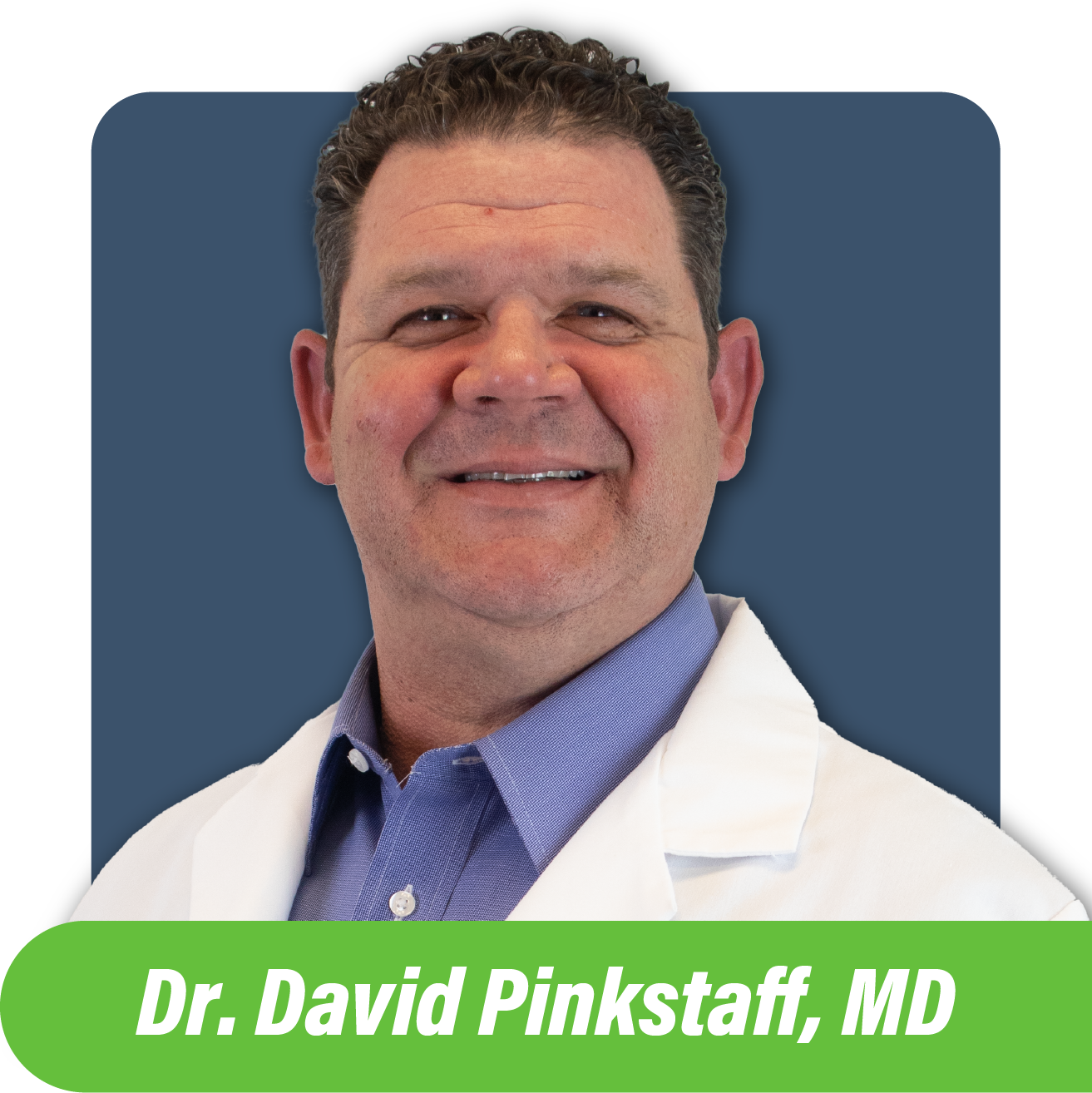
Dr. David Pinkstaff, MD

Dr. David Pinkstaff is a board certified urologist with over 20 years of experience providing comprehensive urologic care to Central Texans. He earned his bachelor’s degree in chemistry from Texas Christian University and completed his residency in urology at the Mayo Clinic in Jacksonville, Florida. Dr. Pinkstaff earned his doctorate from UT Southwestern Medical School in Dallas. His specialties include diagnosing and treating voiding dysfunction, urinary incontinence, urinary tract infections, benign prostatic hyperplasia, kidney stones, urologic cancers and more.

Dr. John Bawduniak, MD

Dr. John Bawduniak is a board certified general and vascular surgeon with almost 20 years of experience caring for Central Texans. He earned his bachelor’s degree from Rice University, earned his doctorate from UT Southwestern Medical School and completed his residency in general surgery at the University of Texas Medical Branch at Galveston. His specialties include head and neck surgery, breast surgery, oncologic surgery, vascular surgery, endovascular surgery, vein surgery, complex laparoscopic surgery, acid reflux surgery, complex hernia repair, pediatric surgery, pancreatic and liver surgery and minimally invasive surgery using the da Vinci system.

Dr. Colby Cessnun, MD

Dr. Colby Cessnun is a board certified family medicine physician at Coryell Health’s McGregor clinic. He earned his bachelor’s degree from Texas A&M University, earned his doctorate at McGovern Medical School and completed his residency in family medicine in Waco, Texas. Dr. Cessnun’s dedication to caring for patients has also taken him across the world to Uganda, where he and his family spent over seven years serving as medical missionaries. In his practice, Dr. Cessnun strives to embody the love of Christ through compassionate care. His patient-centered approach emphasizes active listening and encouragement.

Whether you’re 20 or 60 years young, it’s essential to take care of yourself and commit to attending the regular screenings recommended for your age group. Investing in your health now will pay off for decades to come, and you and your loved ones will thank you for it.

To schedule a prostate exam with Dr. Pinkstaff, please call (254) 865-2166. If you’d like to schedule a lung cancer screening using a low-dose CT scan, please call (254) 248-6238.

Coryell Health RehabLiving at The Meadows Earns Prestigious Five-Star Rating from CMS

Coryell Health RehabLiving at The Meadows has been awarded a five-star rating—the highest possible—by the Centers for Medicare & Medicaid Services (CMS), a division of the U.S. Department of Health and Human Services (HHS).

This distinguished rating places RehabLiving at The Meadows among the nation’s top-performing skilled nursing facilities. CMS’s star rating system is designed to provide consumers with a clear, comparative snapshot of nursing home quality based on three critical areas:

  • Health Inspections
  • Staffing
  • Quality Measures

Each of these categories is individually rated on a scale of 1 to 5 stars. The overall star rating, also on a 5-star scale, reflects a combined assessment of performance in all three categories. Facilities awarded a 5-star overall rating are considered to provide “much above average” quality of care.

“We are proud of our team at Coryell Health RehabLiving at The Meadows for their unwavering dedication to patient-centered care and continuous improvement,” said Maranda May, LNFA, Administrator of RehabLiving at The Meadows. “This five-star rating reflects not just the hard work of our staff, but also our deep commitment to creating a safe, compassionate, and supportive environment where residents feel valued and cared for like family.”

David Byrom, CEO of Coryell Health, added, “This recognition from CMS is a testament to the strength of our leadership, the excellence of our clinical staff, and our organizational commitment to quality at every level. We are honored to be a trusted provider for families seeking exceptional long-term and rehabilitative care in Central Texas.”

This recognition reinforces Coryell Health’s commitment to delivering high-quality, personalized care in a safe and supportive environment for the Gatesville community and surrounding areas.


RehabLiving at The Meadows

110 Chicktown Road
Gatesville, TX 76528
(254) 404-2500
Fax: (254) 404-2506
Email: rehabliving@coryellhealth.org

You Don’t Need to Wait to See A Specialist

Now Offering In-Office Telehealth Appointments for Rheumatology & Neurology

In-office telehealth. While this may seem like a contradiction, it’s actually a game-changer. Through in-office telehealth from Coryell Health, you can now connect with a board certified rheumatologist and neurologist right here in Gatesville.

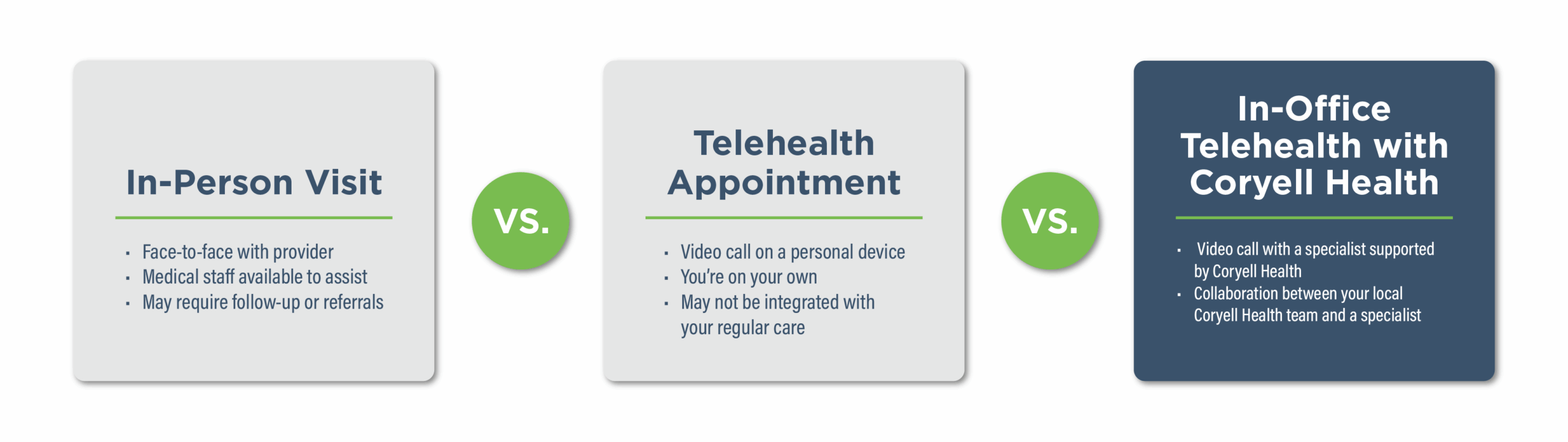
At an in-office telehealth appointment, your local Coryell Health team collaborates with a board certified specialist to make more informed and timely decisions surrounding your diagnosis and care.

Frequently Asked Questions

Q: What does in-office telehealth mean?

A: In-office telehealth combines the convenience of a virtual appointment with the support of an in-person clinic visit. Your local Coryell Health team and a specialist work together to help decide the best plan for your care.

Q: How is this different from a telehealth appointment from home?

A: With in-office telehealth, you don’t need to worry about connection issues or setting up technology. Our trained staff will handle all setup and help communicate your medical history and concerns to the specialist.

Q: What specialties are available through this program?

A: Coryell Health’s in-office telehealth services provide you with access to a board certified rheumatologist and neurologist.

You may want to ask your primary care physician about seeing a rheumatologist if you’re experiencing:

  • The swelling of joints
  • Fatigue
  • A rash
  • Anemia
  • Unexplained weight loss

You may want to ask your primary care physician about seeing a neurologist if you’re experiencing:

  • Chronic headaches
  • Memory loss
  • Imbalance
  • Dizziness
  • Numbness and pain

Q: Will my insurance cover this?

A: Please call (866) 333-8769 for any questions you may have about your insurance and in-office telehealth services. Coryell Health’s in-office telehealth services accept the following forms of insurance:

  • Aetna
  • Cigna
  • UHC
  • BCBS
  • Medicare
  • Medicaid (TMHP)
  • Tricare
  • ChampVA
  • Humana
  • Baylor Scott White/Firstcare/Rightcare
  • Wellpoint
  • Superior Health Plans/Wellcare
  • Multiplan
  • County Indigent
  • Southern Health Partners

Q: How do I schedule an in-office telehealth appointment?

A: Please call (866) 333-8769 to schedule an in-office telehealth appointment at Coryell Health’s Gatesville clinic and discuss if you need a referral. Referrals may be faxed to (833) 428-2254.

Q: When are appointments available throughout the week?

A: Rheumatology appointments are available from 9:30 a.m. to noon on Mondays, and neurology appointments are available from 9 a.m. to noon on Fridays.

Q: Where do I go for an in-office telehealth appointment?

A: Your in-office telehealth appointment will take place at Coryell Health’s Gatesville clinic in Building 1.

Meet the Doctors

Nilofar Syed, MD

Rheumatology

Dr. Nilofar Syed is a board certified rheumatologist who earned her medical degree at the Case Western Reserve School of Medicine in Cleveland, Ohio. She completed her internship and residency training in internal medicine at Brown University in Providence, Rhode Island, and received advanced training through the Cleveland Clinic’s fellowship program in rheumatology. Dr. Syed served as an assistant professor at UT Southwestern Medical Center from 2014 to 2024 and has actively participated in patient care and education of medical students, residents and fellows. She is certified by the American Board of Internal Medicine in Rheumatology and is an active member of the American College of Rheumatology (ACR) and the Association of Women in Rheumatology (AWIR).

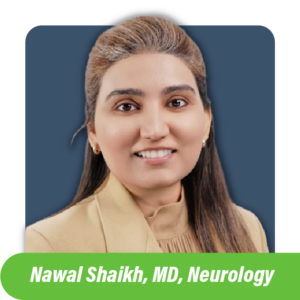
Nawal Shaikh, MD

Neurology

Dr. Nawal Shaikh is a board certified neurologist who earned her medical degree at the Surat Municipal Institute of Medical Education and Research in India. Certified by the American Board of Psychiatry and Neurology and the United Council of Neurologic Subspecialties, she joined the UT Southwestern faculty in 2022. She previously served as an assistant professor in the University of Mississippi Medical Center’s neurology department, where she also worked as a neurologist and neuro-oncologist. A prolific researcher, Dr. Shaikh is the principal investigator for multiple studies on brain tumors. She has published articles in peer-reviewed journals related to her areas of interest, with her most recent contribution being to the Handbook of Brain Tumor Chemotherapy, Molecular Therapeutics and Immunotherapy. Outside of work, Dr. Shaikh enjoys traveling, playing tennis, swimming, trying different cuisines, watching movies and listening to all kinds of music.


Call (866) 333-8769 to ask about scheduling your in-office telehealth appointment at Coryell Health’s Gatesville clinic today.

June is Men’s Health Month

June is Men’s Health Month, and guys, there’s no better time to get your annual checkup. Prostate cancer is one of the most common forms of cancer in men, especially after 50, and it’s essential to schedule prostate exams to identify warning signs. Coryell Health also provides colonoscopies and recommends a first colonoscopy at age 45 if you’re at average risk for colorectal cancer. To schedule a prostate exam, colonoscopy or wellness check with Coryell Health, call (254) 865-2166.

Coryell Health Welcomes New Urologist

Coryell Health is excited to officially welcome board certified urologist Dr. David Pinkstaff to our Gatesville clinic today! With over 20 years of experience providing comprehensive urologic care to Central Texans, Dr. Pinkstaff specializes in diagnosing and treating voiding dysfunction, urinary incontinence, urinary tract infections, benign prostatic hyperplasia, kidney stones, urologic cancers and more. When he’s not helping patients, Dr. Pinkstaff enjoys spending quality time with his wife and children, playing golf, snow skiing, fly fishing and cooking. Call (254) 865-2166 to schedule your appointment with Dr. Pinkstaff today! https://bit.ly/4j9XN0I

Dr. Bradford W. Holland of Coryell Health to Become TMA’s 161st President

The Texas Medical Association (TMA) has elected Bradford W. Holland, MD, as its new president-elect, placing the Central Texas-based otolaryngologist on course to become the association’s 161st president in May 2026. The election took place during TexMed, TMA’s annual conference, held this year in San Antonio. Dr. Holland is the first TMA president elected from Waco in more than five decades.

“I am so very honored and humbled to be given the opportunity of leading Texas physicians at a time of such importance,” said Dr. Holland. “TMA is the one organization that is standing up for patient care and protecting the practice of medicine. I vow to live up to the great task I have been assigned as president-elect to defend our victories and conquer our challenges.”

Dr. Holland practices at Coryell Health in Gatesville and Waco. His goal as TMA president-elect is to preserve the medical profession for future generations, a mission that originally inspired his involvement in advocacy. He encourages physicians to engage in policy efforts that safeguard the physician-patient relationship and strengthen the future of medicine.

“Physicians are on the ropes right now,” said Dr. Holland, citing major issues such as reduced reimbursements, increased prior authorization denials from insurers, and non-physicians seeking to practice medicine without attending medical school.

Dr. Holland has been a TMA member for more than 30 years, starting as a medical student at UT Southwestern. He is a graduate of the TMA Leadership College, served on the Council on Legislation, and was first elected vice speaker of the TMA House of Delegates in 2019. He led the House through the COVID-19 pandemic, later serving four terms as speaker. He also chaired TEXPAC, TMA’s political action committee.

In addition to his TMA leadership, Dr. Holland is a past president of both the McLennan County Medical Society and the Texas Association of Otolaryngology. He is board certified by the American Board of Otolaryngology and serves as adjunct faculty in Baylor University’s Department of Communication Sciences and Disorders.

“We are incredibly proud of Dr. Holland and his dedication to the medical community,” said David Byrom, CEO of Coryell Health. “His leadership at the state level reflects the same passion and commitment he brings to his patients here at Coryell. Texas physicians and patients alike will benefit from his vision and advocacy.”

Dr. Holland and his wife, Amanda Holland, director of advising for Baylor’s Robbins College of Health and Human Sciences, live in Waco and have four children. The couple enjoys attending concerts, serving in community arts leadership, and fly fishing in mountain trout streams.

Dr. Holland will serve a one-year term as president-elect before officially assuming the role of TMA president in May 2026.

TMA, the largest state medical society in the nation, represents more than 59,000 physician and medical student members and is dedicated to improving the health of all Texans.

White Noise Machine Safety for Infants and Toddlers: Article from National Speech-Language and Hearing Month

In case you missed it, May was National Speech-Language and Hearing Month, with the goal of raising awareness about communication disorders and promotes services that support speech, language, and hearing health. Millions of Americans experience communication challenges, and early intervention by professionals like audiologists and speech-language pathologists can significantly improve outcomes across all ages.

In early childhood—especially infancy—auditory input is essential for speech and language development. Recent research has begun to explore how modern parenting tools, such as white noise machines, may impact infants’ auditory development.

A study published in JAMA Pediatrics, along with other follow-up research, has raised concerns about the risks of prolonged or improper use of infant sound machines. These devices, used to promote sleep, emit white noise or calming sounds that mask background noise. However, some machines produce sound levels exceeding safe decibel thresholds, potentially posing a risk of noise-induced hearing loss if placed too closely or used for extended durations.

The American Academy of Pediatrics and the American Speech-Language-Hearing Association recommend the following:

Recommendations for Safe Use of Sound Machines for Infants
1. Placement: Keep the device at least 7 feet away from the infant’s crib.
2. Volume: Set volume at the lowest effective level, ideally at or below 50 dB SPL A.
3. Duration: Use the machine only as long as needed, avoiding continuous overnight use. Utilize any built-in timer features.

Parents can use the NIOSH Sound Level Meter App for a more reliable and accessible way to measure sound levels when a specialist-calibrated meter isn’t available.

Dr. Ashley Brindley, Au.D., Audiologist at Coryell Health, shares:

“White noise machines can be helpful for soothing infants, but it’s important to use them responsibly. Early hearing experiences are foundational for speech and language development. By following safety guidelines, parents can protect their child’s hearing while still supporting healthy sleep habits.”

With proper use and guidance from audiology professionals, white noise machines can be a safe, effective sleep aid for infants—without compromising long-term hearing and communication outcomes.

Have questions or concerns about your child’s hearing?
Call Coryell Health Medical Clinic in Gatesville at (254) 865-2166 to schedule an appointment with Dr. Ashley Brindley, Au.d today.

Coryell Health Celebrates Grand Opening of New Family Medicine Clinic in Copperas Cove

Coryell Health, alongside the Copperas Cove Chamber of Commerce, proudly celebrated the grand opening of the Coryell Health Medical Clinic – Copperas Cove with a ribbon cutting ceremony.

Located at 1007 US-190 BUS, Suite A, Copperas Cove, TX, the new clinic expands Coryell Health’s commitment to accessible, patient-centered care across Central Texas.

“Our goal is to provide high-quality, compassionate care to families in the Copperas Cove area, and we’re thrilled to officially open our doors,” said Clint Black, Chief Operating Officer. “The warm welcome we received at the ribbon cutting reinforces our commitment to serving this community with excellence.”

The clinic offers a full spectrum of family medicine services for patients of all ages, including preventive care, wellness exams, management of chronic conditions, women’s health services, and same-day sick visits.

“We are incredibly grateful for the support of the Coryell County community,” added David Byrom, CEO of Coryell Health. “This clinic represents our ongoing mission to improve access to healthcare where it’s needed most.”

The Coryell Health Medical Clinic – Copperas Cove provides a wide range of services, including well-child visits, preventive screenings, and management of chronic conditions such as diabetes, hypertension, and heart disease. The dedicated care team is committed to delivering personalized, high-quality care, ensuring that families in Copperas Cove receive timely medical attention—without the long wait times.

Appointments can be scheduled by calling (254) 865-2166, and walk-ins are welcome for illness or injury care.

___________________________________________________________________________________________

Clinic Information
Address: 1007 US-190 BUS, Suite A, Copperas Cove, TX
Hours: Monday through Friday, 8:00 AM to 5:00 PM
Phone: (254) 865-2166
Website: www.coryellhealth.org

How to Find the Best Running Shoes For Your Feet

Coryell Health’s Ultimate Guide to Choosing the Right Running Shoes

Spring is here, and the weather is perfect for getting out and going on runs before the Texas heat truly kicks in. In a sea of neon colors and notable brand names fighting for your attention on the shelves, how do you know which pair of running shoes is right for you?

April is National Foot Health Awareness Month, and Coryell Health and Dr. Townson understand the importance of wearing the best shoes for foot health. Everyone’s feet are different, and it’s important to tailor your shoes to your feet’s unique needs. We’re here to help you choose the best running shoes for your feet, whether you have flat feet, medium arches or high arches.

Types of Feet

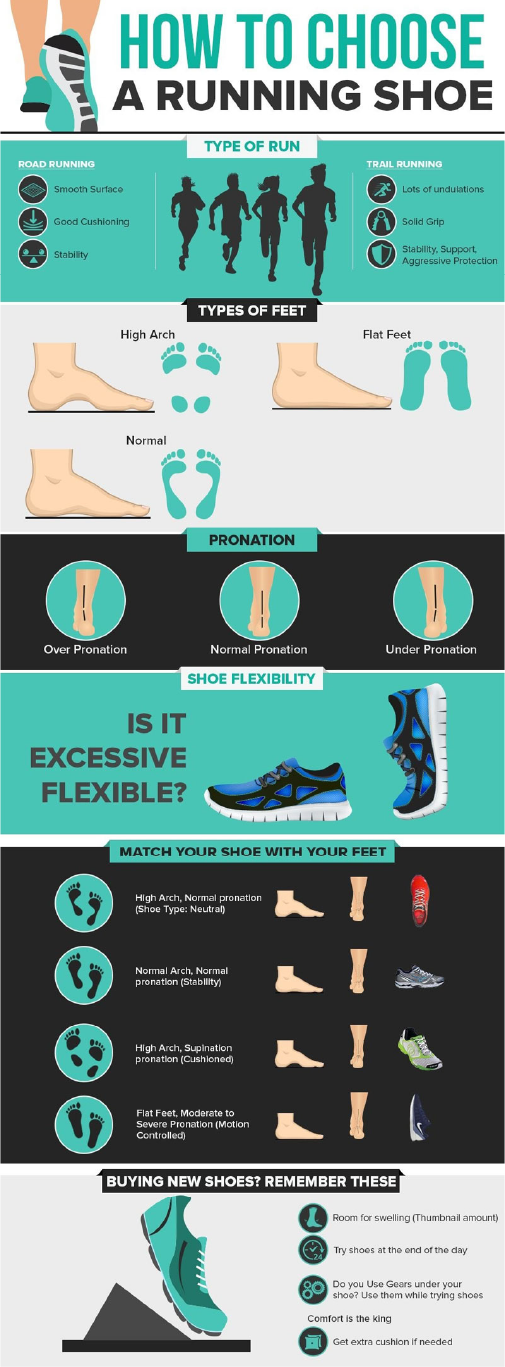
The words “low,” medium” and “high” can be relative. Some people may have an idea of what category their feet fall into, but if you don’t, here is a general guide to identifying different types of feet.

To determine what kind of arches you have, you can conduct an at-home “wet test.” Wet the soles of your feet in the shower and step onto a piece of paper or cardboard. Then, take a look at the imprint your feet made. To see what your results mean and learn more about different arch types, read about the three main categories below.  


Flat Feet

  • The wet test will show a filled-in or mostly filled-in footprint.
  • Having flat feet means having a low or nonexistent arch when standing with weight on both feet.
  • When walking or running, your feet tend to naturally roll inward to help distribute impact (this is also called pronation).

Click here to see what to look for in a pair of running shoes for flat feet. 


Medium Arches

  • The wet test will show that the middle part of your arch is about half-filled with a noticeable curved line along the arch.
  • Your arch supports your body weight effectively.
  • Your feet naturally roll in, or pronate, under a normal load.

Click here to see what to look for in a pair of running shoes for medium arches.


High Arches

  • The wet test will show the ball and heel of your foot with little to no indentation in the middle.
  • When walking or running, your feet tend to naturally roll outward to help distribute impact (this is also called supination).

Click here to see what to look for in a pair of running shoes for high arches.

What to Look For in a Running Shoe

According to a 2024 article published in the Journal of the Foot and Ankle, three key characteristics of a running shoe that may improve performance and decrease the risk of injury are shoe drop, cushioning and stiffness.

Shoe Drop

Shoe drop is how much of a heel a shoe has measured in millimeters. It’s the difference in height between the midsole and heel of a shoe. If you’re having trouble visualizing this, think about high heels and how they’re referred to as “3-inch heels” or “5-inch heels.” No agreed-upon “ideal” shoe drop exists, and your comfort is the most important factor when considering different shoe drops.

Lower-drop shoes (0-6 mm) tend to place more strain on the Achilles tendon, calf and ankle, while higher-drop shoes (7 mm or higher) tend to place more strain on the knees and hips. Keep this and your existing conditions in mind when browsing various shoe drops.


Cushioning

Cushioning refers to the padding in the midsole of a shoe to help absorb impact. Depending on your health conditions, more cushioning isn’t always necessarily a good thing.

If you have a limited range of motion in your ankles, knees or hip joints, more cushioning can help you stay balanced and upright. However, more cushioning tends to create a harder heel strike on the ground, so avoid lots of cushioning if you have heel pain.  

Stiffness

Stiffness refers to how flexible a shoe’s midsole is. Today, many brands use the terms “stability” and “motion control” to indicate how flexible or stiff a pair of running shoes is.

Stability running shoes are slightly more flexible compared to motion control shoes. They’re designed to support the arch of the foot and the midsole. Motion control shoes aim to limit excessive foot motion and tend to be more stiff compared to stability running shoes. 

With your type of arch and these factors in mind, Coryell Health recommends noting the following characteristics when shopping for your next pair of running shoes. 


Best Running Shoes for Flat Feet

To help absorb impact, reduce pressure on your feet and counteract pronation, look for running shoes with:

  • Extra arch support
  • A firm yet cushioned insole
  • A thicker sole


Best Running Shoes for Medium Arches

For less restriction, a comfortable fit and support that fits your arch, look for running shoes with:

  • Balanced cushioning
  • A flexible midsole
  • A heel drop that matches your running style


Best Running Shoes for High Arches

To allow your feet to roll slightly inward as you run and prevent discomfort and potential injuries, look for running shoes with:

  • Neutral arch support
  • Lots of cushioning
  • A firm midsole


Coryell Health recommends the following guides to help determine which specific pair of running shoes is right for you:


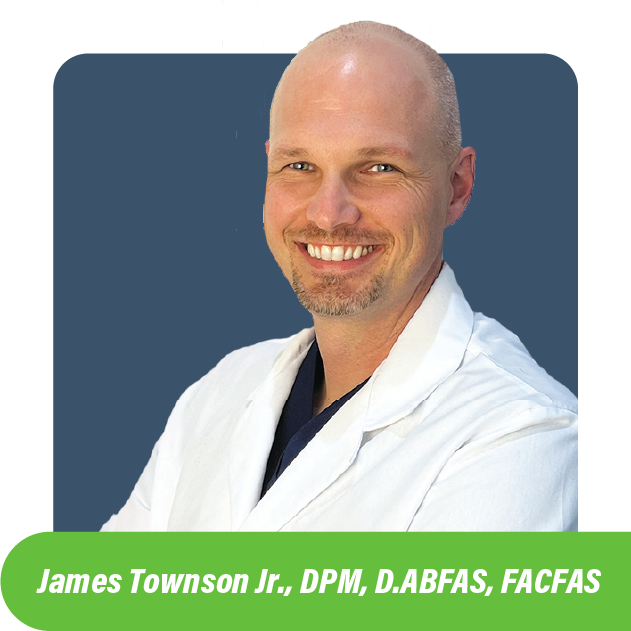
When it comes to protecting your feet from discomfort, pain and injuries, choosing the right shoes for every activity is essential. Dr. James Townson Jr. emphasizes that improper footwear can lead to serious foot problems over time.

“Your feet are the foundation of your body. Wearing the wrong shoes, even for a short period, can cause pain and long-term damage. Choosing footwear designed for your specific activity can help prevent injuries and keep you moving comfortably.” – Dr. James Townson Jr.

Choosing the right pair of running shoes for your feet can help improve performance and reduce the risk of injury and long-term foot and ankle issues. As Coryell County’s only board-certified podiatrist for reconstructive rearfoot and ankle surgery, Dr. Townson understands the impact of proper footwear on long-term foot health.

He is currently accepting new patients in Gatesville, Goldthwaite and Temple. Starting in May, he will also have open appointments at Coryell Health Medical Clinic – Waco. If you have or are concerned about developing foot or ankle problems, call (254) 865-2166 to schedule an appointment with Dr. Townson.


Meet the Doctor

Dr. James Townson Jr earned his bachelor’s degree in biomedical science from Texas A&M University and his doctorate in podiatric medicine from Samuel Merritt University. He then completed his foot and ankle reconstructive surgical residency at the Raymond G. Murphy VA Medical Center in Albuquerque, New Mexico. A podiatric surgery specialist with over 10 years of experience in the medical field, Dr. Townson is board certified in reconstructive rearfoot and ankle surgery by the American Board of Foot and Ankle Surgery and is a fellow of the American College of Foot and Ankle Surgery. He’s also a member of the American Podiatric Medical Association and the Texas Podiatric Medical Association.

Coryell Health Honors Dr. Stephen Norris for 45 Years of Dedicated Service

Coryell Health recently celebrated the remarkable career of Dr. Stephen Norris at a special retirement reception, honoring his 45 years of dedicated service to the community. Employees, colleagues, and community members gathered to express their gratitude and wish him well. Dr. Norris has been a pillar of the medical community and a dedicated volunteer. Since being recruited to Gatesville in 1980, Dr. Norris has been a dedicated leader in healthcare, making countless contributions to the health and well-being of his patients.

“Dr. Norris has been an invaluable part of Coryell Health, not only as a physician but as a mentor, leader, and friend,” said Coryell Health CEO David Byrom. “His unwavering dedication to patient care and community health has left a lasting impact, and we are deeply grateful for his years of service. He will be greatly missed, but his legacy will continue to inspire us all.”

As Dr. Norris embarks on his well-earned retirement, Coryell Health extends its heartfelt thanks and best wishes for the next chapter of his journey.

About Dr. Stephen Norris

Dr. Stephen Norris was raised in Comanche, Texas, and graduated from Comanche High School in 1967. He earned his undergraduate degree magna cum laude from Baylor University in 1971 before attending the University of Texas Southwestern Medical School in Dallas. Following medical school, he completed a five-year general surgery residency, preparing him for a career in small-town medicine.

For the past 40 years, Dr. Norris and his family have called Gatesville home. He was the town’s only general surgeon until 2016, when Dr. John Bawduniak joined the team. Beyond his medical contributions, Dr. Norris dedicated himself to community service, serving on the GISD school board for 33 years and remaining active in the First Baptist Church.

Dr. Norris has also participated in four medical mission trips—one to Ghana, West Africa, and three to Honduras—further demonstrating his commitment to healthcare and service.

A member of several esteemed professional organizations, Dr. Norris holds certifications from the American Board of Surgeons and is affiliated with the American Medical Association, Texas Medical Association, Society of Baylor Surgeons, Texas Surgical Society, and the American College of Surgeons.

In his free time, Dr. Norris enjoys teaching Sunday School, cycling, singing in a gospel quartet, raising tropical fish and various birds, and flying kites whenever he has the chance. While his primary specialty was general surgery, he also lent his expertise to the Coryell Health Advanced Wound Center, where he cared for patients with hard-to-heal wounds.

Dr. Norris’s dedication, compassion, and expertise have left a lasting impact on the Gatesville community, and his presence will be greatly missed.


Coryell Health Celebrates Grand Opening of McGregor Clinic with Ribbon Cutting

Coryell Health proudly marked a significant milestone with the grand opening of our McGregor Clinic, celebrating alongside the McGregor Chamber of Commerce and members of the community during a special ribbon-cutting ceremony. This event symbolizes our commitment to expanding access to quality healthcare and strengthening our ties with the McGregor community.

The ceremony brought together local leaders, Coryell Health healthcare professionals—including clinic Medical Director Dr. Colby Cessnun—and community members, all sharing in the excitement of this new chapter for Coryell Health.

“We are thrilled to bring Coryell Health’s compassionate, patient-centered care model to McGregor,” said David Byrom, CEO of Coryell Health. “Our mission has always been to provide accessible, high-quality healthcare close to home, and this clinic represents another step in fulfilling that promise. We look forward to serving the people of McGregor and becoming an integral part of the community.”

Coryell Health Medical Clinic- McGregor offers a range of family medicine services, including well-child visits, preventive care, and the management of chronic conditions such as diabetes, hypertension, and heart disease. Our dedicated healthcare team is committed to delivering personalized, high-quality care for patients of all ages, ensuring that families in McGregor have access to the medical services they need to live healthier lives.

The clinic is open Monday through Friday from 8:00 AM to 5:00 PM. Appointments can be scheduled by calling (254) 865-2166, and walk-ins are welcome for illness or injury care.

As we open our doors in McGregor, we look forward to building lasting relationships with our patients and continuing to support the health and well-being of this wonderful community.


Honoring Our Incredible Doctors Today! Happy National Doctor’s Day!

Today, we celebrate the dedication, compassion, and expertise of doctors everywhere. From long hours to life-changing decisions, their commitment to patient care makes a meaningful impact—not just on individual patients, but on the entire communities we serve.

To mark the occasion, we’re sharing special moments of our Coryell Health physicians and practitioners with red carnations—the official flower of Doctor’s Day. 🌺

To all the doctors who heal, comfort, and inspire—thank you for your unwavering service! Your hard work and dedication do not go unnoticed. 💙

Tag or mention a doctor you appreciate! Bonus points for sharing a story of how they’ve made a difference in your life! 💬👇

“Our doctors are the heart of Coryell Health. Their dedication, expertise, and compassion define the high-quality care we provide every day. We are deeply grateful for their unwavering commitment to our patients and our community.” –Dr. Jeff Bates, MD, Coryell Health Chief Medical Officer.