How Spotting a Mole Can Save a Life

Stop Skin Cancer in Its Tracks

It’s crucial to know how to spot a possibly cancerous mole, as skin cancer is the most common type of cancer.
Through the Plexiglass

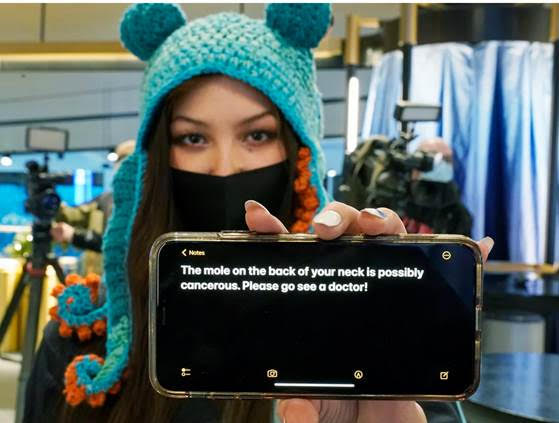
Did you hear the recent story about how a young future doctor saved the life of an NHL team’s assistant equipment manager? Nadia Popovici was at a Vancouver Canucks hockey game when she noticed an irregular mole on the neck of the assistant equipment manager for the Canucks, Brian Hamilton. With her background in nursing, Popovici was able to identify the cancer-like qualities of the mole and knew she had to notify Hamilton immediately. She banged on the plexiglass that separated them and held up her phone, where she had typed out, “The mole on the back of your neck is possibly cancerous. Please go see a doctor!” Hamilton shrugged it off at first but fortunately had the sense to get it looked at. It turns out Popovici was right—the mole was a type-2 malignant melanoma. After Hamilton got the mole removed, he reached out to Popovici, who the doctor said saved Hamilton’s life. “She didn’t take me out of a burning car, but she took me out of a slow fire. The words out of the doctor’s mouth were that if I ignored [the mole] for four to five years, I wouldn’t be here,” Hamilton said.

Spotting Skin Cancer

Moles are very common and usually benign. According to the American Academy of Dermatology, most adults have at least a few common moles that are typically harmless. However, certain types of moles and other factors, like family history, having had melanoma in the past, or having more than 50 moles, can increase your risk of developing skin cancer in the future. Monitoring moles for changes in size, shape, texture, and color and checking for new growths is an important part of the skin cancer screening process. In addition to protecting your skin from sun exposure, you should perform monthly self-mole checks to look for anything out of the ordinary, like changes to existing moles or new growths.

Melanoma can appear as a new spot or an existing mole. One simple way to determine if a mole might be cancerous is by using the ABCDE rule:
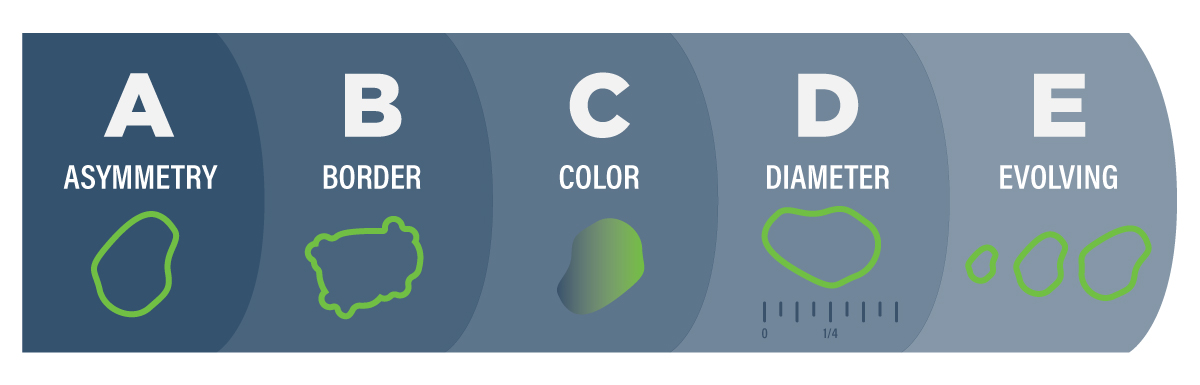
Asymmetry: the mole is irregularly shaped—one side doesn’t match the other.

Border: the edges are blurred or ragged.

Color: the color of the mole is not consistent throughout—ranging from shades of brown, black, pink, red or white.

Diameter: a cancerous mole is usually one-fourth of an inch or larger, roughly the size of a pencil eraser. 

Evolving: the mole is changing in color, shape or size.

The key is to identify melanoma early so you can begin treatment. Melanoma is the deadliest type of skin cancer, but it isn’t the only one. 

Basal cell carcinomas and squamous cell carcinomas are more common than melanomas, but they are also typically more treatable. Both basal and squamous cell carcinomas can show up anywhere but usually grow on parts of the body that are most exposed to the sun, such as the face, head and neck. This is why vigilant sun protection is of the utmost importance.

How Coryell Can Help

The most proactive thing you can do is get yearly skin checks with your primary care provider or a dermatologist, such as our very own Dr. Russell Rowe. Your primary care physician can refer you to a specialist as needed.

Anyone fighting cancer deserves to be near loved ones, which is why we offer diagnostic imaging, laboratory services and a pharmacy to make the process more convenient for you. If you are concerned about skin cancer, call us today at (254) 865-2166. Story credit: The New York Times
General & Bariatric Surgery Clinics Move to Building 1

General and Bariatric Surgery clinics will now be located in Coryell Health Medical Clinic, Building 1. Dr. John Bawduniak, general and vascular surgeon, and Dr. David Gochnour, bariatric and general surgeon, previously saw patients in Building 2, but as of Thursday, March 10th, they will be seeing patients in Building 1.  “The one constant at Coryell Health is our continued growth, as we are constantly evolving to meet the needs of our patients. Rural residents deserve access to excellent healthcare and we are proud to deliver these services. Coryell will move local and regional healthcare to even higher levels of quality and accessibility by expanding locally based services, providers and locations. We now have three clinic locations on our Gatesville campus and will soon begin primary care services out of our Waco clinic,” said David Byrom, Coryell Health CEO.

Determining Your Risk of a Heart Attack for Just $50

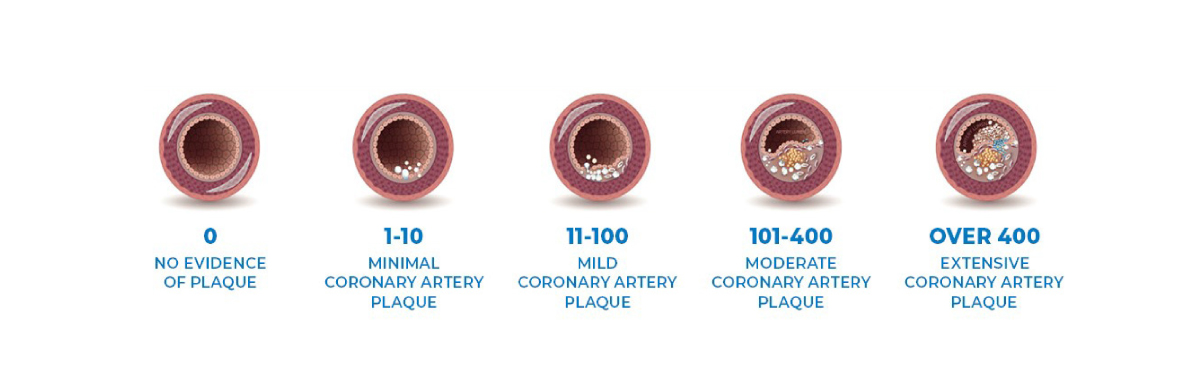
Are you keeping score? There is no better time to get a cardiac calcium CT scan done than American Heart Month. This month and next, Coryell Health is charging half price, or $50, for patients to find out their calcium scores. 

Your score can help determine your future risk of having a heart attack or stroke. A cardiac CT scan of the heart detects plaque or calcium accumulation in the arteries. The higher calcium score a patient has, the more aggressive the treatment will be, Dr. Phillip Myatt, Coryell Health Cardiologist explains. “Knowing a patient’s cardiac calcium score helps us develop targeted therapy for patients, including allowing us to optimize medications, such as statin dose, for preventing plaque buildup. Many patients may have otherwise had no idea of their risk.”

More on the Score

So what’s so bad about plaque? Plaque is a build-up of calcium and cholesterol on the artery walls that can narrow the arteries, reducing blood and oxygen flow. The more plaque in your heart, the higher your risk is of a cardiac event. In this scenario, the lower your score, the better.

You should get a cardiac calcium CT scan if you are between ages 40-70 and at increased risk for heart disease but do not have symptoms. People at increased risk include  those with the following traits:

  • Have a family history of heart disease
  • Have a family history of high cholesterol
  • Are overweight 
  • Are or have ever been a smoker 
  • Have a history of high blood pressure, high cholesterol or diabetes
  • Have an inactive lifestyle 

Benefits of Knowing Your Score

While advanced CT technology allows doctors to visualize any plaque buildup in a patient’s arteries, the calcium score can indicate to the physician that he or she may want to initiate or change preventive therapy to lower your risk.

Where Coryell Comes In

Don’t risk waiting. Take advantage of Coryell Health’s half-off special for American Heart Month by scheduling your calcium scan before the end of March! You’ll be glad that you determined your risk of developing heart problems sooner rather than later. The test is painless, non-invasive and fast; it typically takes about 20 minutes. You will be able to resume all regular activity immediately after the procedure. You can request the results be sent to any medical provider or Coryell Health Cardiology will contact you in an average of 3-5 business days.

Schedule your Calcium Score Scan today: (254) 248-6238.

The No.1 Killer for African Americans

This February at Coryell Health, we are celebrating Black History Month by acknowledging the struggles of African Americans—past and present—especially as they relate to heart health. 

Did you know that heart disease is the leading cause of death for Americans? One person dies every 36 seconds from heart disease in our country. The risk is even higher for African Americans. In 2018, African Americans were 30% more likely to die from heart disease than non-Hispanic whites. 

The Risk Factors

One of the significant risk factors for heart disease is high blood pressure. According to The American Heart Association, the prevalence of high blood pressure in African Americans is the highest in the world. African American adults are 40% more likely to have high blood pressure than non-Hispanic whites. African American women are about 60% more likely to have high blood pressure than non-Hispanic white women. In addition, African Americans are also more likely to have high cholesterol.

Close to Home

These statistics are more than just numbers; they hit close to home. The death rate in Coryell County due to heart disease is 342 per 100,000. Among the Black population, it increases to 377 per 100,000 deaths.

Preventative Measures

Here’s the good news: heart disease is preventable! Focus on the following to get your heart into its optimal condition:

  • A Healthy Diet
    • Eat balanced, nutritious meals and snacks, including fruits, vegetables and fewer processed foods
    • Avoid foods high in fat, sodium and sugar
    • Choose foods high in fiber and low in cholesterol 
    • Avoid drinking excess alcohol
  • Healthy Habits
    • The surgeon general recommends two hours and 30 minutes of exercise per week for adults
    • Avoid smoking 
    • Manage a healthy weight 
  • Managing Medical Conditions
    • Control blood pressure and cholesterol by changing habits or trying medications
    • Monitor blood sugar levels if you have diabetes 
    • Regularly take prescribed medicines as directed

Coryell Can Help

If you have heart-related concerns, Coryell Health is your solution. Cardiac rehabilitation and cardiopulmonary medicine are two of our specialties. You can give us a call at (254) 865-2166. In the meantime, check out these tips for a healthy heart from Cardiologist Dr. Keylani.

The Sugary Soda Shake Down

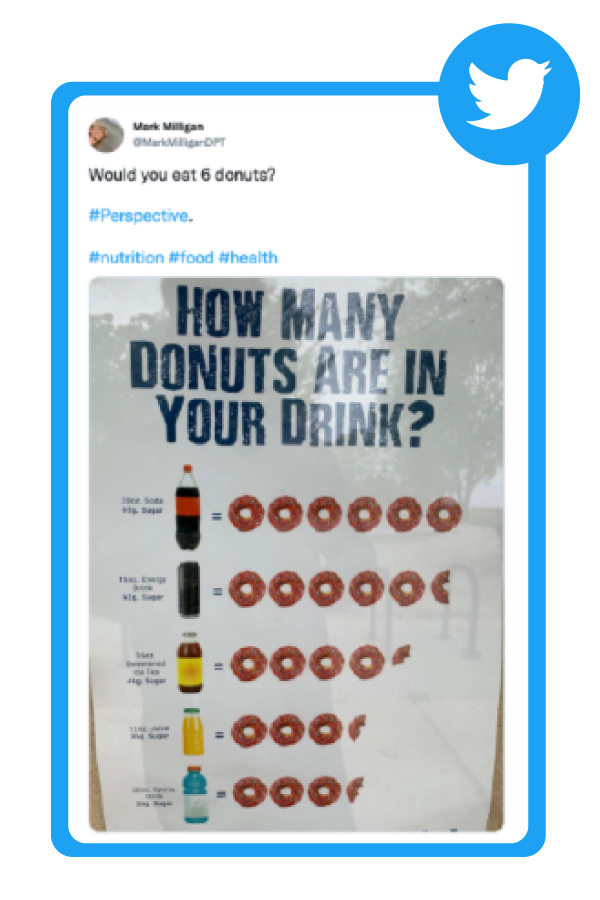
This tweet went viral in May 2019.

A few years ago, this tweet went viral and people freaked out.

Does one bottle of Coke really contain the same amount of sugar as SIX donuts?

Some quick research on nutrition facts reveals the answer. 

One 20oz bottle of Coca-Cola contains 65 grams of sugar. Most donuts contain around 11 grams of sugar. More specifically:

  • ?   A Krispy Kreme strawberry iced donut = 11 grams of sugar
  • ?   A Shipley’s chocolate iced donut with sprinkles = 11 grams of sugar
  • ?   A Dunkin’ Donuts glazed donut = 13 grams of sugar

We’ll use one of the first two examples. If you do the math, six of those donuts would equal 66 grams of sugar, just one gram more than the soda!

To be fair, this message is a bit oversimplfied. Of course, we have to take into consideration factors like calories, saturated fats and nutrient content. One bottle of coke and six donuts are not exactly an equal exchange. Although the graphic is a bit misleading at first glance, it does raise valid health concerns. The message here is not, “You should eat more donuts.” We’re not saying that donuts are healthy. Rather, it is to be aware of how sneaky sugar, especially added sugar, can be. 

Food for Thought

Sugar tastes great, we can all acknowledge that. But is the taste worth the consequences? According to both the American Heart Association and The Sugar Association, sugar-sweetened beverages are the leading sources of added sugars in Americans’ diets, 25% being soft drinks specifically. Added sugars are different than natural sugars, and are the type you want to avoid. Naturally occurring sugars are found in foods such as fruit and milk, while added sugars are just that, added, during the preparation process. You can read more about the difference here.

The Dietary Guidelines for Americans caps the recommended daily intake of added sugar at 10%. One of the major downsides of sugar is weight gain, especially belly fat accumulation. Excess sugar causes weight gain, and even obesity, because the simple sugar fructose doesn’t lower the hunger hormone ghrelin or stimulate fullness the same way that glucose, the complex sugar, does. In addition, your liver is the only place in your body that can metabolizes fructose, so the more you ingest in your soda, the higher your risk of developing fatty liver disease.

Too much sugar can also lead to insulin resistance, Type 2 diabetes, tooth decay, high blood pressure and even cancer. This study of more than 100,000 participants found that  consumption of sugary drinks was significantly associated with the risk of overall cancer.

On top of all that, studies indicate that sugar may be addictive, as it shares certain characteristics with addictive substances, like dopamine release into the brain. This makes reducing your sugar intake challenging, but not impossible.

The Good News

The first step to cutting back is figuring our how much sugar you’re consuming on a daily basis. These days, food manufacturers are required to include that information on nutrition labels, so it’s easy. Next, consider replacing sugary sodas with naturally sweetened alternatives, like carbonated water, unsweetened tea, coconut water, smoothies, etc.

Keep in mind, managing your sugar intake is only one part of a healthy diet. If you want to learn more about making healthy choices, contact Coryell Health Ideal Protein Health Coach Mardi Mason by calling (254) 404-2556 or emailing [email protected]. Next time you want a Coke, we encourage you to think about how many donuts it will cost you.

Clinics Delay Opening Due to Weather

Due to safety concerns for traveling patients and staff, Coryell Health Medical Clinics will delay opening until 10am tomorrow, Friday, February 3rd. Quick Care Walk-In Clinic will close at 6pm. If you’re concerned about traveling in icy weather conditions, please call (254) 865-2166 to reschedule. If you have a medical emergency- call 911- our EMS and Emergency Room are available 24/7.

Coryell Health Provides Cancer Screenings

Start Off 2022 By Protecting Yourself Against More Than Just COVID-19

Don’t let the COVID-19 pandemic keep you and your loved ones from getting routine medical care. Annual wellness checks and routine screenings can identify many health issues early, including the five most aggressive types of cancer: lung, colorectal, breast, pancreatic and prostate.

Early detection is key because the quicker cancer is found, the easier it is to treat. More treatments are available for cancers detected at Stage 1 than at other stages, and survival rates are much higher. Receiving a cancer diagnosis is never easy, but early detection brings hope. 

Lung Cancer

Known as the most aggressive form of cancer, lung cancer is most often caused by smoking/tobacco use. The U.S. Preventive Services Task Force (USPSTF) recently revised its recommendations on who should get a low-dose CT scan and when. Low-dose CT scans, which can detect cancer earlier, have improved survival rates for those with lung cancer, even for heavy smokers. The new recommendations take a person’s personal smoking history into account, so if you’ve ever been a smoker, even just an occasional one, check it out

Colorectal Cancer

Most colorectal cancer cases begin as small, benign cells that become cancerous over time. Physicians use screenings, like colonoscopies, for early detection and prevention. If you’re between the ages of 45 and 75, this is a crucial test. Here’s the good news: you don’t necessarily have to go in for a colonoscopy. The USPSTF’s new recommendations say most people can start with an at-home stool test to screen for cancer. Call your doctor to find out what kind of screening is right for you and ask how you can get started.

Breast Cancer

The second most common type of cancer in women is breast cancer. Coryell Health doctors recommend women begin having annual mammograms starting at age 40. Family and personal medical history should be taken into account, so if you’re age 40 or older and haven’t had a mammogram yet, call your doctor to discuss when is the right time for you.

Coryell Health has 3D mammogram technology, which produces the clearest and most precise scans possible. For your convenience, Coryell Health Diagnostic Imaging allows you to book your appointment without seeing a provider for a referral. Call (254) 248-6238 to schedule your 3D mammogram today. One of our family medicine providers will follow up with you regarding your results.

Also, let your doctor know when you’re scheduled to receive your COVID-19 shots. One of the side-effects of the vaccine is swollen lymph nodes, which can alter your mammogram images. Most doctors recommend waiting 4-6 weeks after your COVID-19 shot to get your mammogram.

Pancreatic Cancer

Currently, there are no standard screenings for pancreatic cancer. Those with a genetic tendency for pancreatic concerns should discuss routine endoscopic ultrasounds or MRI/CT imaging with a family medicine provider.

Prostate Cancer

This is the second-leading cause of cancer deaths in men. There are two tests to check for prostate cancer: a prostate-specific antigen (PSA) test or a digital rectal examination (DRE). After a certain age, a doctor may recommend regular screening. A prostate exam can help detect cancer while it is still highly treatable, even if symptoms are not present.

Other Recommended Cancer Screenings for Adults

We also recommend HPV tests for women under 65 to screen for the human papillomavirus, a very common STD that causes warts and can be linked to cervical cancer. There are more than 3 million cases of HPV in the United States per year. To screen for it, your doctor may take a “pap smear” cytology test. Testing should be done with regularity, but your individual testing schedule is dependent on your personal medical and sexual history. 

You can get an HPV vaccine to help prevent HPV and cervical cancer through the age of 45, but check with your insurance provider first, to make sure you’re covered. HPV also affects men, so young men may want to consider getting the vaccine, too. 

Warning Signs

Here are some common warning signs of cancer: fatigue, weight loss, swelling or lumps in any part of the body and unexplained pains. However, many symptoms associated with cancer could also be signs of other conditions. If you’re experiencing any of these symptoms or anything unusual, schedule an appointment with your primary care physician.


Expect your COVID-19 test results via text message

Coryell Health will send negative and will now send positive results, if you saw a practitioner.

If you test positive: stay home for 5 days-  if symptoms are resolved after 5 days, you can leave your house. Continue to wear a mask around others for 5 additional days. If you are moderately to severely ill then you should quarantine for 10 days and until fever free with symptoms mostly resolved. To find out more visit https://www.cdc.gov/media/releases/2021/s1227-isolation-quarantine-guidance.html.

Coryell Health is Asking Local Community Members to Donate New or Gently Used Crutches

An aluminum shortage tied to the global supply chain crunch has led to a new medical supply shortage: crutches.

The latest example of pandemic-spurred medical supply chain problems has become a bigger problem for health systems across the nation. Crutches are walking aids used to reduce weight placed on the lower body and provide support and balance.

“Our hospital, short-term inpatient therapy, physical therapy, home health and clinic provide crutches for patients on a daily basis. All surgery volumes spike at the end of the year, including orthopedic surgeries, but if we do not have crutches to use post operatively, some patients may have to delay care,” said Heather Rambeau, Coryell Health Chief Nursing Officer. “We have run out of crutches and our suppliers don’t know when they’ll have more available to sell.” Rambeau adds the hospital’s supplier told them there is an aluminum shortage and “we just cannot get them there.”

“Just because it’s something that we’ve always had a surplus of and then it got down to having zero of certain sizes, so it really just put us in a bad situation,” she said. “The impacts of the global pandemic continue to affect so many aspects of healthcare. We’re hopeful that there are plenty of used crutches gathering dust in closets that can be put to good use for our patients.”

Any donated crutches will be sanitized and inspected for safety before being issued to patients. Individuals are asked to drop off crutches at the main entrance of the hospital anytime between 7am – 5pm, Monday thru Friday. Anyone with questions or needing assistance may call Monica Salter at (254) 248-6247.

Acid Reflux Surgery at Coryell Health

The Most Effective Solution for Your Acid Reflux Issues

Have you ever had heartburn at bedtime? Simply put: that painful, burning sensation that robs you of sleep can be awful. For some, the symptoms are mild and seem to go away on their own; but for many, a few sleepless, painful nights are just the beginning. If you’re having frequent heartburn, you may have acid reflux disease, also known as gastroesophageal reflux disease (GERD), when your condition is severe or chronic. 

Acid reflux is caused by a weakness or relaxation of the lower esophageal sphincter. This is the valve that joins your esophagus and your stomach. Normally this valve shuts tightly after food enters your stomach. However, sometimes it relaxes when it shouldn’t, causing your stomach contents – stomach acid, food, etc. – to come back up into your esophagus. 

Symptoms can be triggered a number of different things, including:

  • Food choices – Most doctors agree that acidic, fatty and spicy food may contribute to your symptoms, and the size of your meals also makes a difference. Large meals are more likely to cause symptoms than small ones.
  • Medicines – Aspirin, ibuprofen, sedatives and blood pressure medications may affect your condition. 
  • Alcohol and tobacco use – This relaxes the stomach valve, enabling food and stomach acid to rise up into your esophagus. 
  • Weight – Being overweight or obese increases the pressure on your abdomen or stomach, weakening the valve.
  • Pregnancy – This also may increase pressure on your abdomen or stomach.
  • Other diseases and conditions – One of the most common is a hiatal hernia, which according to the Cleveland Clinic, occurs when the upper part of the stomach abnormally pushes through an opening in the diaphragm and into the chest cavity. Typically, the opening in the diaphragm is where the esophagus and stomach join, and that valve closes tightly after letting in food. However, with a hiatal hernia, the valve is in a different place (inside the chest cavity), which may keep it from closing completely. Thus, letting in a back-flow of stomach contents that can be extremely painful and damaging to your esophagus.

Common symptoms of acid reflux and related conditions include:

  • Heartburn
  • A sour taste in your mouth
  • Feeling overly full
  • Coughing
  • Hoarseness
  • Feeling like you have food “stuck” in your throat
  • Regurgitation

Symptoms may seem to intensify when you lay down or bend over because these positions may allow stomach acid to move more easily into your esophagus. Thankfully, there is hope. Certain medications, dietary changes and weight loss can help improve symptoms.

However, most patients report that these treatments help but do not completely “fix” the problem. If you’re still having symptoms, then acid reflux surgery might be the solution for you! For example, if you have a hiatal hernia, simply changing your diet isn’t going to fix the underlying medical condition that’s causing your symptoms, but surgery can. And after the surgery, you can go back to eating the foods you love, without the painful consequences! 

You might be a good candidate for acid reflux surgery, if:

  • You still have symptoms, despite dietary changes and medications.
  • You continually require medications to control your symptoms and do not want lifelong medication use.
  • You have a hiatal hernia or another underlying medical condition.
  • You have frequent or ongoing symptoms that are affecting your quality of life.

Acid reflux surgery can be extremely beneficial, bringing you relief from acid reflux symptoms and preventing the serious complications that can occur if symptoms are left untreated. These complications include but are not limited to, esophagitis, ulcers, esophageal cancer and aspiration pneumonia.

There are two types of acid reflux surgery: linx surgery and nissen fundoplication, both of which are offered at Coryell Health. During linx surgery, the doctor wraps a ring of tiny beads around the lower esophageal sphincter, which keeps the opening closed, stopping reflux. During nissen fundoplication, the upper part of the stomach is wrapped around the lower esophageal sphincter, which also keeps the opening closed and prevents reflux.

Our acid reflux specialist, John Bawduniak, MD, can help determine which surgery is right for you. Board certified in general surgery, with significant training in vascular and endovascular surgery, Dr. Bawduniak has a special interest in complex, minimally invasive and laparoscopic surgery, as well as oncologic surgery and vascular surgery. 

Operating in our Minimally Invasive Surgery Center, Dr. Bawduniak is specially trained in the use of Robotic-Assisted da Vinci®, which allows him to perform a wide range of delicate and complex operations through a few small incisions. Coryell Health’s da Vinci system enables Dr. Bawduniak to operate with enhanced vision, precision, dexterity and control. 

Dr. Bawduniak is a gifted surgeon, who is highly skilled, highly trained and highly experienced. He’s one of the many reasons why you don’t have to drive to the “big city” to get state-of-the-art treatment. If you’re suffering from acid reflux symptoms, we can help. Call 254-865-8251 to book an appointment with Coryell Health today.

Catch More Zzzs With Coryell Health’s Sleep Center

Need Better Sleep? Coryell Can Help.

If you want to improve your health and your mood, the first step might be to get better sleep. Sleep deprivation wreaks havoc on your body and may result in both short- and long-term physical and psychological problems. Sleep deprivation can:

  • Limit your ability to form new memories, reason properly, pay attention, react quickly or make decisions. 
  • Make you more susceptible to infections and respiratory disease, which also may take longer to resolve when you’re sleep-deprived since our bodies use that sleep time to heal.
  • Increase your fat storage and increase your risk of developing type 2 diabetes. Sleep triggers the release of insulin and affects the hormones that control feelings of hunger and fullness.
  • Cause your body to release additional stress hormones, making you feel anxious, frustrated or cranky. This also may cause headaches, increase your sensitivity to pain, and cause more serious health concerns.

How much sleep do you need?

Just how much sleep is enough? Well, that depends on a host of factors. The National Sleep Foundation recommends that during a 24-hour period, most adults ages 18-64 should get 7-9 hours, and ages 65 and up should get 7-8 hours.

But each person is different and may require more or less sleep. Other factors need to be considered, such as how physically active you are, personal and family medical history, gender, occupation and your average stress levels. If you’re getting the recommended hours of sleep but are frequently tired, require caffeine to “get you through the day,” or are experiencing any symptoms of sleep deprivation, call the Coryell Health Sleep Center.

Our team of board-certified sleep physicians can advise you on how to best prepare your body for sleep and prevent outside influences from waking you up before you’re ready. He or she can also determine whether or not you have a serious sleep condition, like sleep apnea, that’s interfering with your ability to get adequate rest, and prescribe a personalized treatment plan.

A serious condition

Sleep apnea is a common medical disorder, in which you repeatedly stop breathing while you sleep. Though it can affect anyone, sleep apnea is more common in men. Age, weight and smoking can increase your risk.

There are three types of sleep apnea: central, obstructive and complex. Central sleep apnea occurs because your brain doesn’t send proper signals to the muscles that control your breathing. This type of sleep apnea isn’t characterized by loud snoring. However, obstructive sleep apnea is. 

Obstructive sleep apnea is caused by an upper airway obstruction that we see most often in overweight patients. It is the most common form of sleep apnea and is more often found in male patients. During sleep, the muscles that control your airways become relaxed. If they’re too relaxed, your airway can become blocked, causing your body to stop breathing. When this happens, your brain has to tell your body to breathe. This process is very stressful to your brain and heart and can leave you feeling drained the next morning, despite a full night’s sleep. 

Complex sleep apnea is a combination of both central and obstructive sleep apnea, and the condition can be diagnosed by a sleep specialist.

How Coryell Health can help

Accredited by the American Academy of Sleep Medicine, the Coryell Health Sleep Center is dedicated to helping patients achieve a better night’s sleep and better quality of life. We utilize a sleep study called polysomnography to determine what kind of medical condition you have and formulate a personalized treatment plan.

During the polysomnography, you sleep in our sleep center and we monitor you, every step of the way. While you sleep, our equipment records your brain waves, oxygen levels, heart rate and breathing, as well as eye and leg movements. This helps us to determine which sleep disorder you suffer from – we diagnose and treat more than 80 sleep disorders, including the various forms of sleep apnea, as well as insomnia, narcolepsy and more. The sleep study also is helpful for adjusting a patient’s treatment plan if you’ve already been diagnosed with a sleep disorder but haven’t found the right treatment combination.

If you’re interested in learning more about how Coryell Health’s Sleep Center can improve your quality of life, contact us at (254) 248-6296 or [email protected].

Take the first step toward a happier, healthier you!

If you’re overweight or obese – you’re not alone. In fact, the National Health and Nutrition Examination Survey reports that more than two in three adults are considered to be either overweight or obese. (1)

Being overweight or obese can lead to a host of health problems such as type 2 diabetes, stroke, high blood pressure, joint problems, sleep apnea, high cholesterol, certain types of cancer and more. Doctors and researchers report being overweight or obese as the fifth leading cause of death in the world, accounting for nearly 3.4 million deaths annually. (2)

Thankfully, there’s hope. 

At Coryell Health, we offer a medical weight loss program, directed by David Gochnour, MD. Dr.  Gochnour is a board certified, general and bariatric surgeon, who specializes in bariatric, minimally invasive, robotic and general surgery.

“Being overweight or obese is not a personal failure. It’s a medical problem, and we have a medical solution that is personalized for you. We look at your unique circumstances and support you on every step of your journey toward a happier, healthier you.”

Before prescribing treatment, Dr. Gochnour and his team work with you to identify factors that may affect your progress. These may include genetics, eating habits, physical activity/inactivity, sleep habits, medical conditions or medications, as well as where/how you live.

Coryell Health’s medical weight loss program employs Ideal Protein’s science-backed, three-phase, structured protocol. This resets the body to burn its own fat as its primary energy source.

In some cases, bariatric surgery is recommended. This is done in combination with expert nutritional advice and behavioral health counseling to maximize results and long-term success. Coryell Health offers two types of bariatric procedures: Roux-en-Y Gastric Bypass and gastric sleeve surgery.

Roux-en-Y Gastric Bypass

Roux-en-Y Gastric Bypass is a bariatric procedure where your physician makes changes to your stomach and small intestine to adjust the way they absorb and digest food. A small pouch is created from the stomach and the small bowel is re-routed to the pouch, bypassing the first part of the intestines. This decreases the amount of food that can be consumed and slows down the absorption of nutrients. More importantly, it has been shown to have a positive effect on the various hormones that lead to obesity.

Gastric sleeve surgery

For patients with a body mass index of at least 40 – this means you’re 100 pounds or more over your ideal weight – gastric sleeve surgery, also known as a vertical sleeve gastrectomy – may be recommended. Gastric sleeve surgery is a bariatric procedure that removes 75-80% of the stomach, reshaping it into a tube, like most of the digestive system. This reduces the amount of food that can be consumed and shows positive effects on obesity hormones.

Bariatric surgery does more than just help you lose weight. It helps you take control of your life and your health. It can:

  • Alleviate type 2 diabetes symptoms and eliminate the need for related medications: The Cleveland Clinic references a study where Type 2 Diabetes sufferers went into long-term remission following bariatric surgery, enabling almost all patients to remain free of insulin and other related medications for at least three years after surgery. (3)
  • Reduce joint pain and osteoarthritis: Studies published by UCLA indicate that bariatric surgery helps decrease pain, pressure and inflammation of joints, particularly with regard to knee osteoarthritis and back pain. (4)
  • Lower your risk for liver and cardiovascular diseases: A new Cleveland Clinic study shows that patients with obesity and advanced fatty liver disease who had bariatric surgery significantly lowered their risk for severe liver disease and serious cardiovascular disease, including heart attack and stroke, compared to patients who did not have the surgery. (5)
  • Eliminate obstructive sleep apnea: Achieving and sustaining a normal weight range often allows people with sleep apnea to stop using a CPAP machine at nighttime. Approximately 80 to 85% of patients experience remission of their sleep apnea one year after surgery. (3)
  • Improve your quality of life: More than 95% of the patients who had bariatric surgery at UCLA reported markedly improved or improved quality of life after surgery in an anonymous survey. (4)
  • Increase your life expectancy: In scientific studies of hundreds of thousands of patients, weight loss surgery has been shown to lower a person’s risk of death from any cause by over 40%, according to the American Society for Metabolic and Bariatric Surgery. (6)

Your journey toward a happier, healthier you awaits. Take the first step by calling us today at (254) 404-2555!

Sources:

  1. https://www.niddk.nih.gov/health-information/health-statistics/overweight-obesity
  2. https://www.sciencedirect.com/science/article/abs/pii/S0095454315000986?via%3Dihub
  3. https://health.clevelandclinic.org/7-bariatric-surgery-benefits-besides-helping-you-lose-weight/ 
  4. http://surgery.ucla.edu/bariatric-surgery-benefits
  5. https://jamanetwork.com/journals/jama/article-abstract/2786270 
  6. https://asmbs.org/patients/benefits-of-weight-loss-surgery